GEO Optimized.
Traditional SEO is for browsers. GEO is for Agents. Harbor is the first suite designed to win in the era of Generative Engine Optimization.
The 2026 GEO Landscape
Research-backed statistics on the shift to generative search
of searches now trigger AI Overviews
Search Engine Land 2025
CTR decline for sites not cited in AI Overviews
Ahrefs Study 2025
of AI Overview citations come from top-10 ranked pages
SEMrush Research
higher citation rate for content with structured data
Schema.org Analysis
Old SEO fails in 2026.
Google's AI Overviews and Perplexity don't care about your meta-tags. They care about citation probability, entity authority, and quotable content structure.
- »AI Overviews skip keyword-stuffed pages in favor of authoritative, structured content.
- »LLMs prioritize sites with 1st-party research, original statistics, and unique datasets.
- »Visual search requires unique images - stock photos are ignored by AI citation systems.
- »Cross-LLM sentiment (how GPT, Claude, and Gemini perceive your brand) is the new Domain Authority.
- »Perplexity favors academic-style citations and clear, factual first-paragraph answers.
- »Sites not cited in AI Overviews see 25-40% CTR decline even with #1 organic rankings.
How positively LLMs describe your brand when queried
Likelihood of being cited in AI Overviews for target queries
Knowledge graph recognition and entity relationship clarity
Six pillars for the generative era
Proprietary technologies that win the generative era.
LLM Perception Analysis
Harbor agents query multiple LLMs to analyze how your brand is perceived. We measure 'citation probability' - the likelihood that GPT-5, Claude, or Gemini will reference your content when answering related queries.
Cross-model sentiment analysis identifies semantic gaps between your content and what LLMs expect as authoritative sources.
Entity Fortification
GEO isn't about keywords; it's about entities. Harbor maps your brand to existing knowledge graphs and increases citation frequency by establishing clear entity relationships in your content structure.
Structured data with Organization, Product, and HowTo schemas increase entity recognition by AI systems.
Citation Engineering
We prioritize 'quotable' data segments. By generating proprietary statistics, original research, and unique datasets, we ensure AI engines cite YOUR site as the primary source rather than aggregators.
Content includes numbered lists, comparison tables, and specific statistics that LLMs prefer to quote directly.
Visual GEO (Nano Banana)
AI Overviews and Perplexity prioritize unique, informative visuals. Nano Banana creates technical diagrams, infographics, and context-aware images that AI agents extract and display.
100% unique images with descriptive alt text and surrounding context increase visual search inclusion rates.
Source Diversity Mapping
LLMs prefer sources that are cited by other authoritative sites. Harbor's link building module targets sites that AI systems already trust, creating a citation network that boosts your GEO authority.
Backlinks from AI-trusted domains (edu, gov, established publishers) weighted higher in LLM selection.
Answer Engine Formatting
Content structure optimized for direct answer extraction. Clear H2/H3 hierarchies, FAQ schemas, and concise paragraph openings that LLMs can directly quote in AI Overviews.
First sentence of each section designed as standalone quotable answer for featured snippet and AI Overview extraction.
LLM Citation Ranking Factors
What determines if your content gets cited in AI Overviews, Perplexity, and ChatGPT search
| Factor | Weight | Description |
|---|---|---|
| E-E-A-T Signals | High | Author credentials, site reputation, expertise demonstration |
| Structured Data | High | Schema markup (FAQ, HowTo, Article, Organization) |
| Source Diversity | High | Backlinks from authoritative domains AI systems trust |
| Content Freshness | Medium | Publication date, update frequency, recency signals |
| Quotability | Medium | Numbered lists, tables, statistics, clear definitions |
| Visual Uniqueness | Medium | Original images with descriptive alt text and context |
| Domain Authority | Medium | Traditional DA/DR correlates with LLM source selection |
| Topic Depth | High | Comprehensive coverage signals topical authority to LLMs |
How Perplexity Selects Sources
Perplexity AI has distinct source selection criteria that differ from Google's AI Overviews. Understanding these factors is critical for citation success.
- 1Perplexity prioritizes sources with clear, factual answers in the first paragraph
- 2Academic-style citations and references increase Perplexity citation probability
- 3Content that directly answers 'What is X?' and 'How to Y?' queries gets higher inclusion
- 4Original research, surveys, and proprietary data are preferred over aggregated content
- 5Sites with low ad density and fast load times are favored for citation
Perplexity Optimization Stack
Agentic execution.
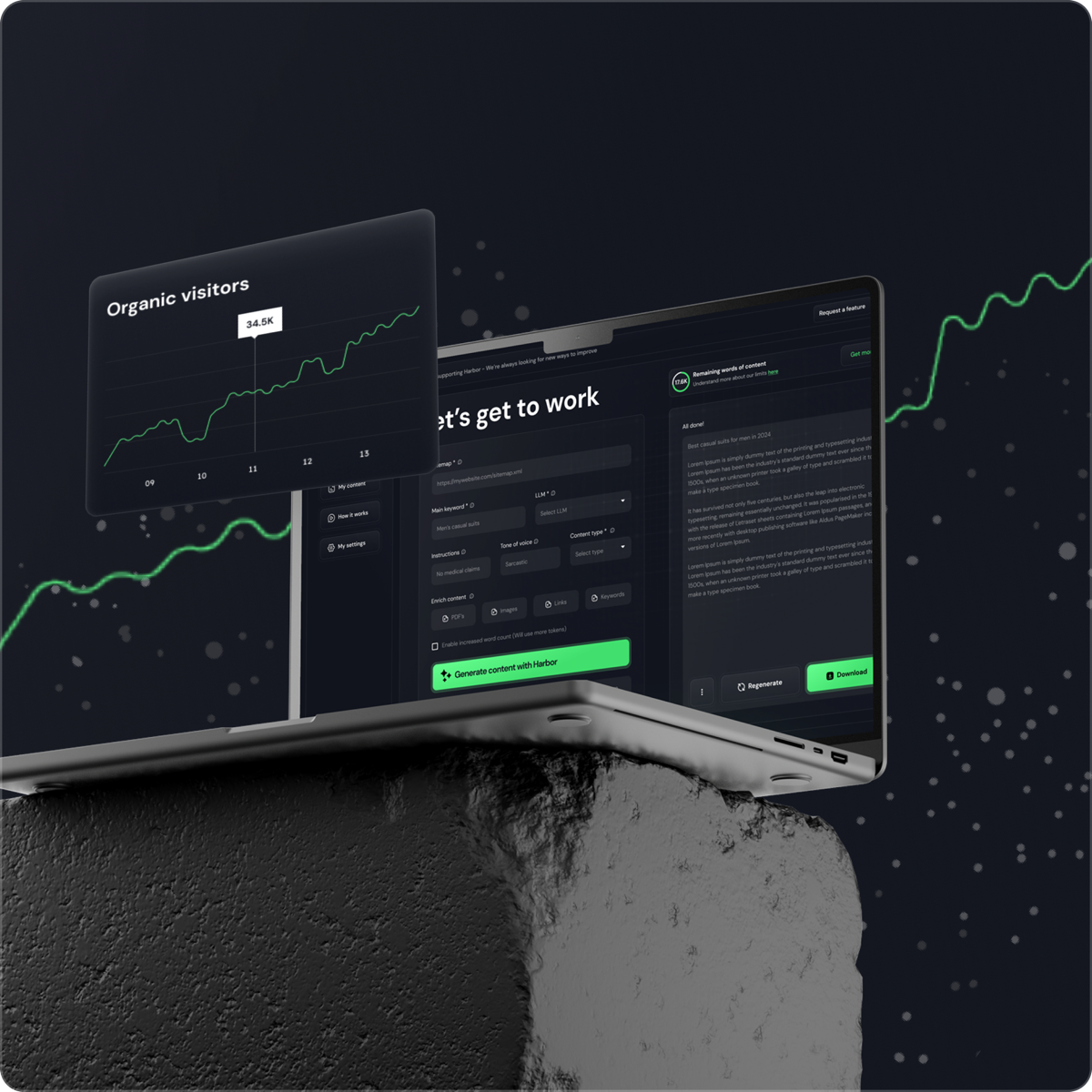
Harbor doesn't just guess what AI wants. It reverse-engineers the perception of GPT-5.1 to ensure your content is the mathematical choice for every citation.